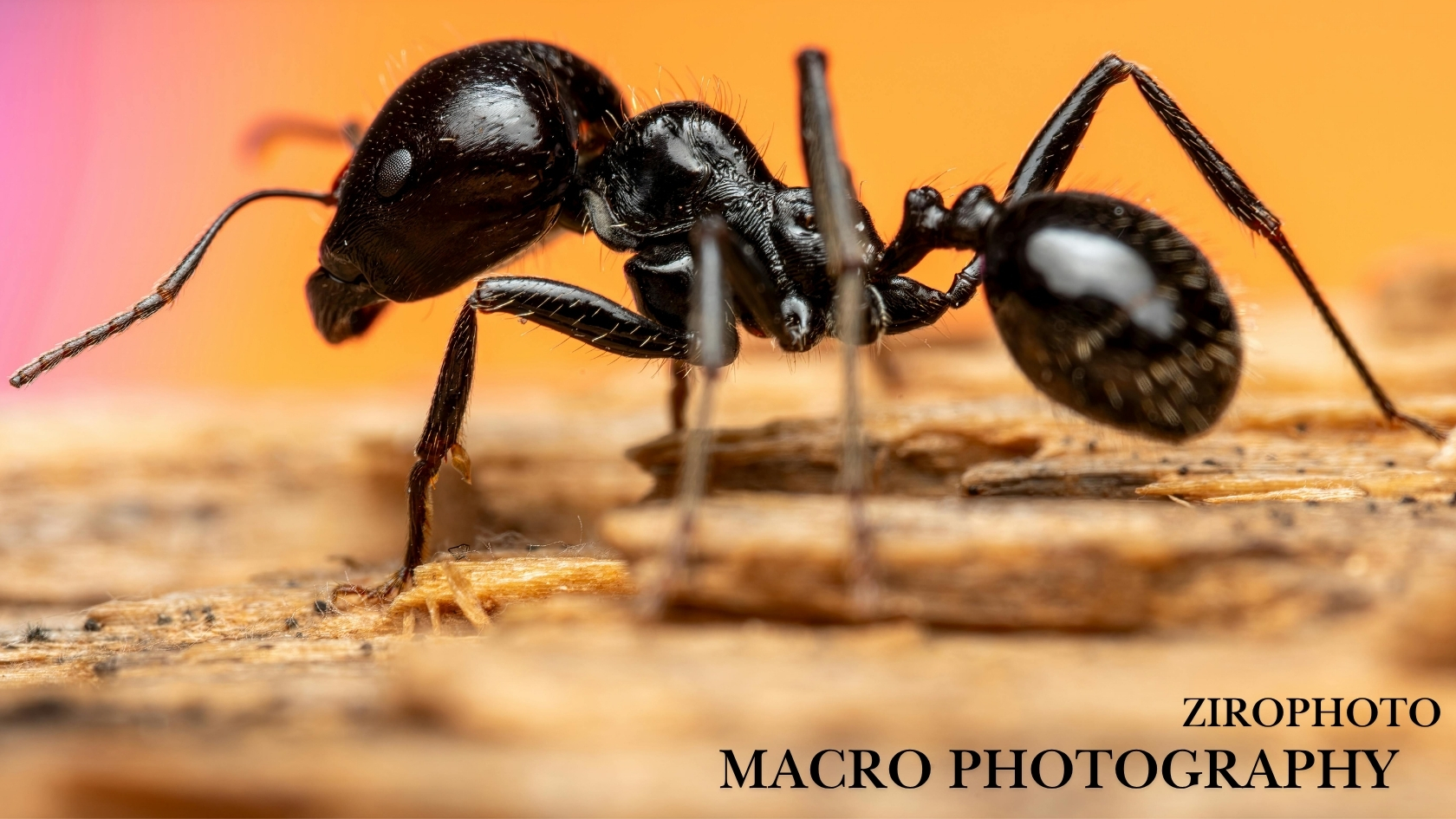

Macro photography is a fascinating genre that reveals details invisible to the naked eye. From the delicate texture of a butterfly’s wing to the intricate patterns on a leaf, macro photography transforms ordinary subjects into extraordinary visual stories. This guide explores everything you need to know—from getting started to becoming a professional macro photographer.
What is Macro Photography?
Macro photography is the art of capturing subjects at very close distances, typically at a 1:1 magnification ratio or greater. It focuses on small subjects like insects, flowers, water droplets, textures, and everyday objects.
Why Macro Photography is Unique
Unlike other photography styles, macro photography emphasizes:
- Fine details and textures
- Shallow depth of field
- Precision focusing
- Patience and observation
It allows photographers to explore a hidden world that most people overlook.
Essential Equipment for Macro Photography
1. Cameras
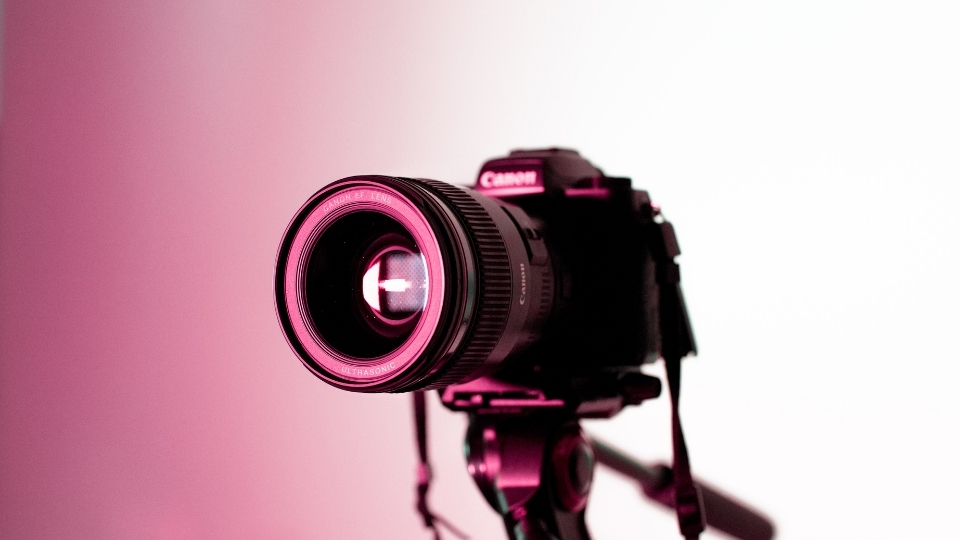
You don’t need the most expensive camera to start, but having control over focus and exposure helps.
- DSLR Cameras – Great for flexibility and lens options
- Mirrorless Cameras – Lightweight and advanced focusing systems
- Compact Cameras – Some offer macro modes for beginners
2. Macro Lenses
A dedicated macro lens is the best tool for achieving true macro shots.
- 50mm – Good for product-style macro
- 90–105mm – Ideal for insects and nature
- 150mm+ – Better working distance for shy subjects
3. Accessories
- Tripod (for stability)
- Ring light or external flash
- Extension tubes (budget alternative to macro lenses)
- Diffusers for soft lighting
Macro Photography with Smartphones
Modern smartphones have made macro photography more accessible than ever.
How to Shoot Macro on a Phone:
- Use macro mode (if available)
- Attach clip-on macro lenses
- Get as close as possible while maintaining focus
- Tap to focus manually
- Use natural light for best results
Tips for Better Phone Macro Shots:
- Keep your hands steady
- Shoot in good lighting conditions
- Use editing apps to enhance details
- Avoid digital zoom—move closer instead
How to Achieve Great Macro Shots
1. Master Focus
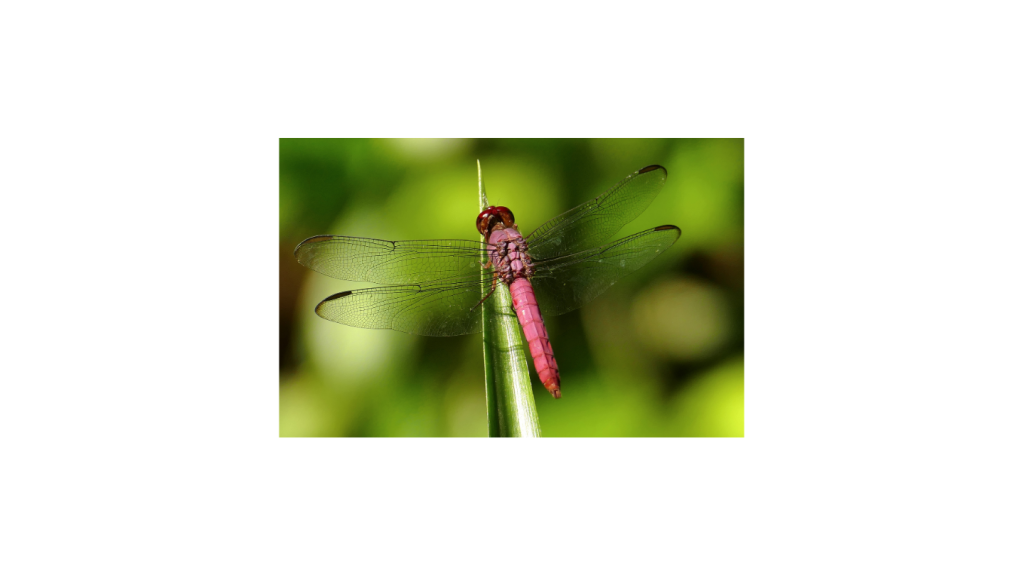
Macro photography requires precise focusing. Use manual focus when possible and focus on the most important part of your subject (e.g., the eyes of an insect).
2. Control Depth of Field
At close distances, depth of field becomes extremely shallow. Use smaller apertures (like f/8 to f/16) to increase sharpness.
3. Lighting is Everything
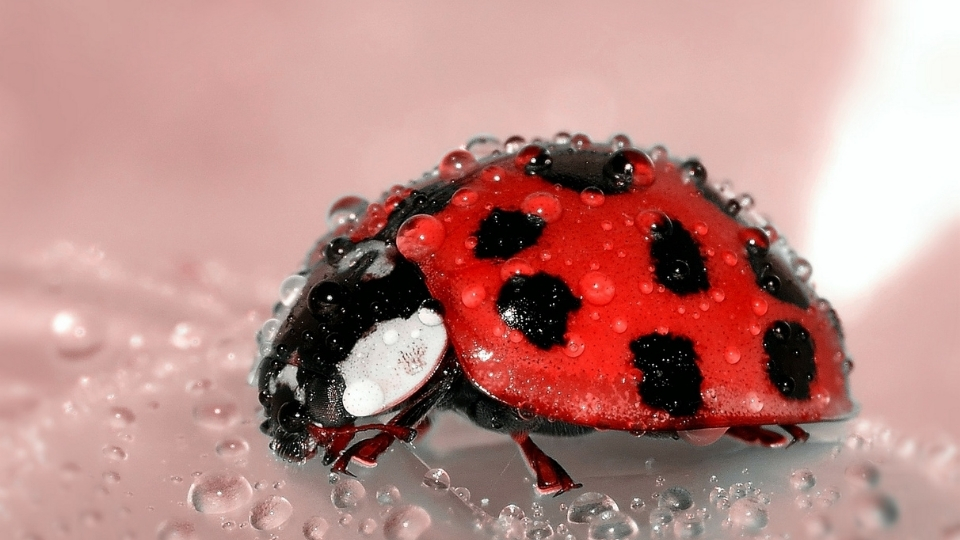
Natural light works great, but sometimes you’ll need artificial lighting. Use quality light for make marcophotos.
4. Stabilize Your Camera
Even the smallest movement can blur your image. Use a tripod or stabilize your hands.
5. Be Patient
Macro photography often involves waiting for the perfect moment, especially when photographing insects or moving subjects.
Popular Macro Photography Subjects
- Insects (butterflies, bees, ants)
- Flowers and plants
- Water droplets
- Textures (fabric, wood, metal)
- Food details
- Everyday objects (coins, watches, etc.)
Editing Macro Photos
Post-processing enhances your images significantly.
Basic Editing Tips:
- Increase sharpness
- Adjust contrast and clarity
- Fine-tune colors
- Crop for better composition
- Remove noise
Tools like Lightroom or mobile editing apps can help bring out details.
Become a Pro Macro Photographer
1. Build Your Skills
Practice regularly and experiment with different subjects and lighting setups.
2. Create a Portfolio
Showcase your best work online through a website or social media.
3. Learn Advanced Techniques
- Focus stacking
- Controlled lighting setups
- High magnification photography
4. Find Your Niche
Specialize in areas like:
- Nature macro
- Product macro
- Scientific photography
5. Monetize Your Work
- Sell prints
- Work with brands
- Stock photography platforms
- Teach photography
Common Mistakes to Avoid
- Shooting handheld without stabilization
- Ignoring lighting quality
- Using too wide an aperture
- Not focusing on the subject’s key detail
- Over-editing images
Final Thoughts
Macro photography opens up a world of creativity by focusing on the smallest details around us. Whether you’re using a professional camera or a smartphone, mastering macro photography is about patience, technique, and curiosity.
With the right tools, consistent practice, and creative vision, you can turn tiny subjects into powerful visual stories—and even build a professional career from it.
Start small, look closer, and discover the extraordinary in the ordinary.
Read more with Zirophoto